
The Uffizi Rabbit Hole: How a Renaissance Gallery Turned Into a Painting of Marsha P. Johnson
A note for the creatively curious: Studio Notes is my twice-monthly newsletter about art, experimentation, and learning to see yourself as creative. Subscribe for fresh ideas, behind-the-scenes stories, and small invitations to try something new. Learn more here!
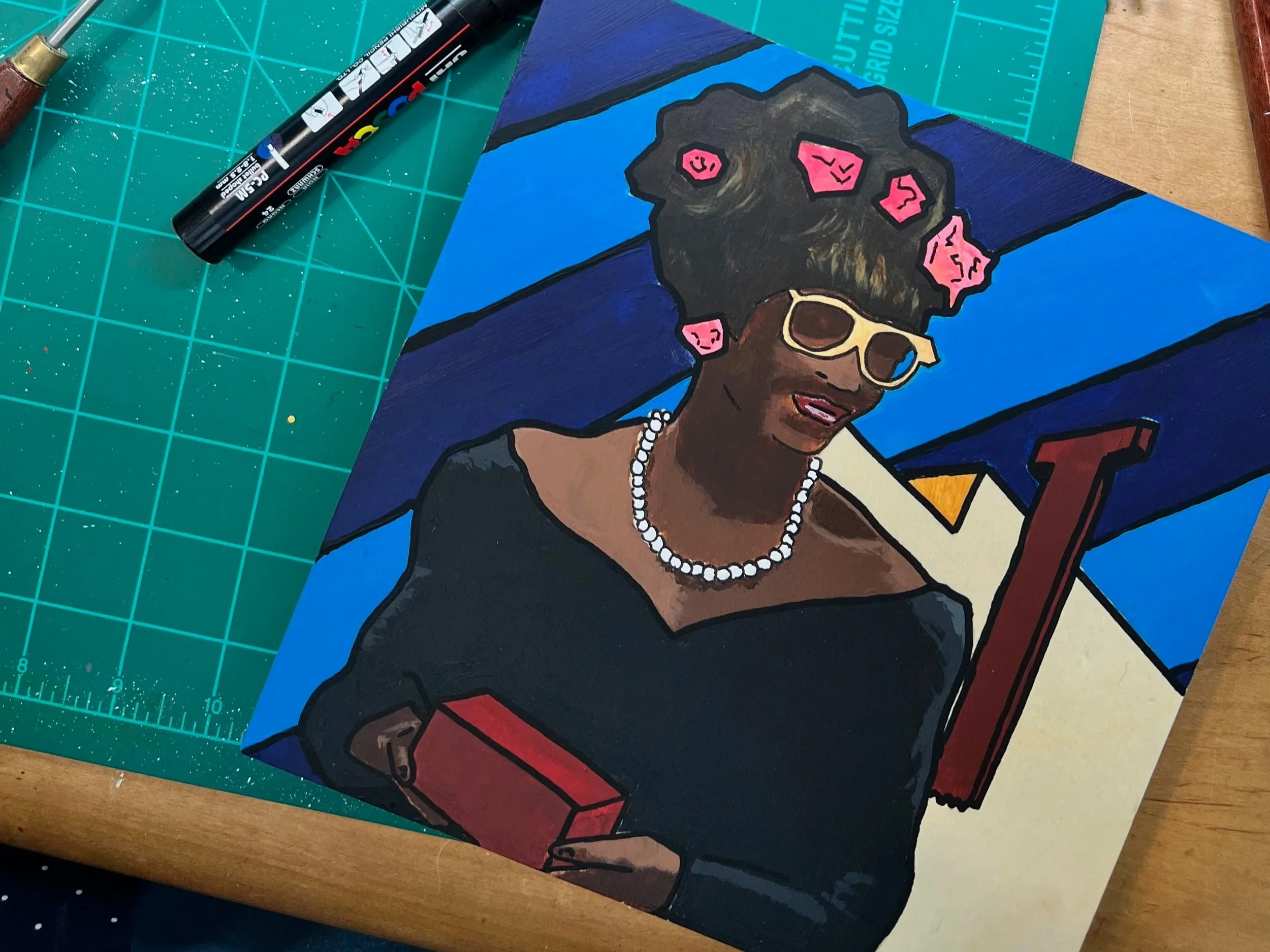
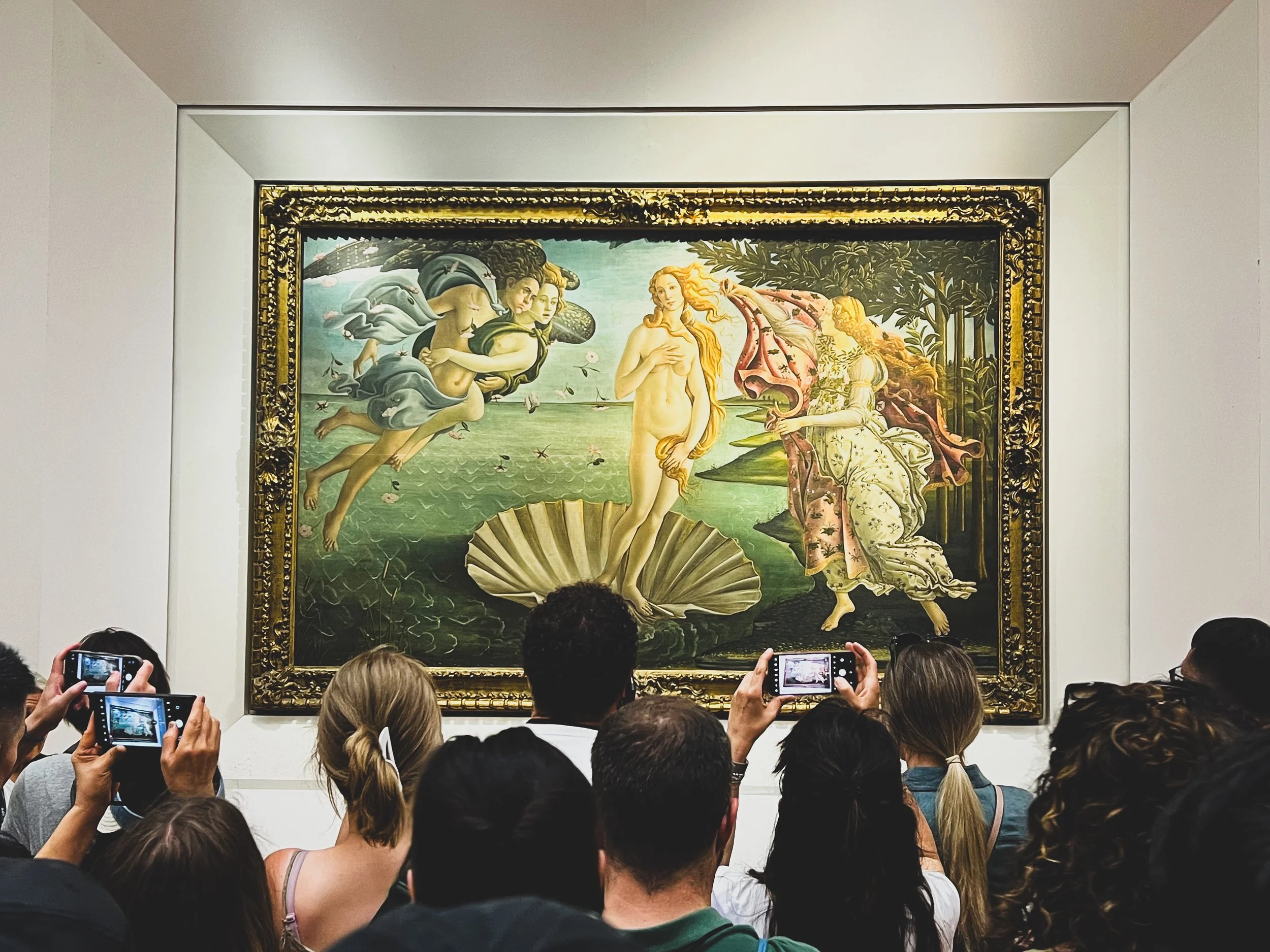
Last year, my family and I went to Italy. We started the trip in Amalfi and ended in Florence, where one of the highlights was wandering through the Uffizi Gallery. I knew I’d enjoy seeing Renaissance art in person. What I didn’t expect was to leave wanting to make some of my own. There was something about the whole visual language of it: the saturated colors, the drama, the gold, the symbolism, the expressions, the enormous importance given to a single human figure. These paintings weren’t exactly known for subtlety. By the end of the trip, I had an itch. I wanted to make a Renaissance-inspired painting.
Naturally, this required a rabbit hole.
First, I did a lot of probably-unnecessary research
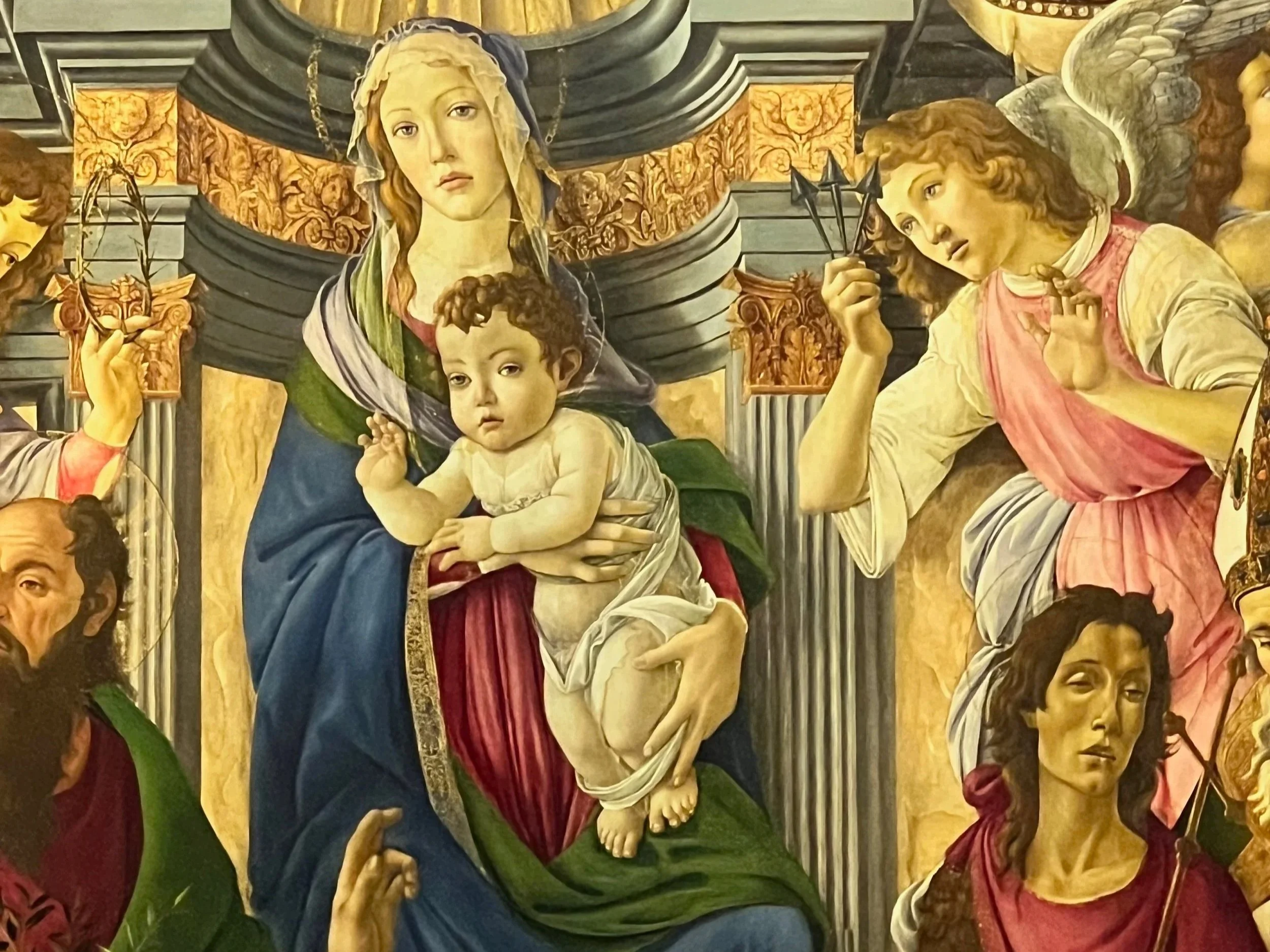
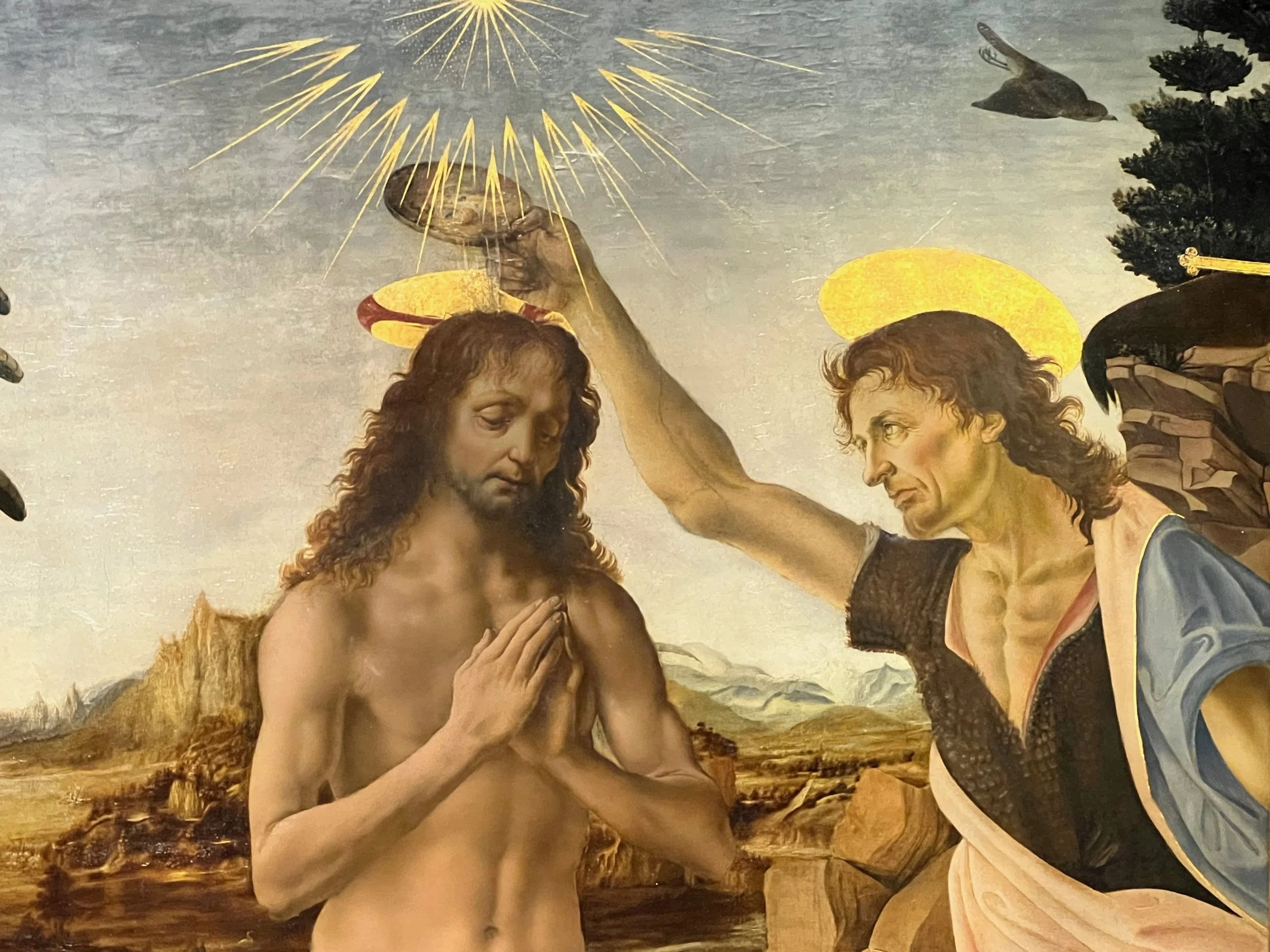
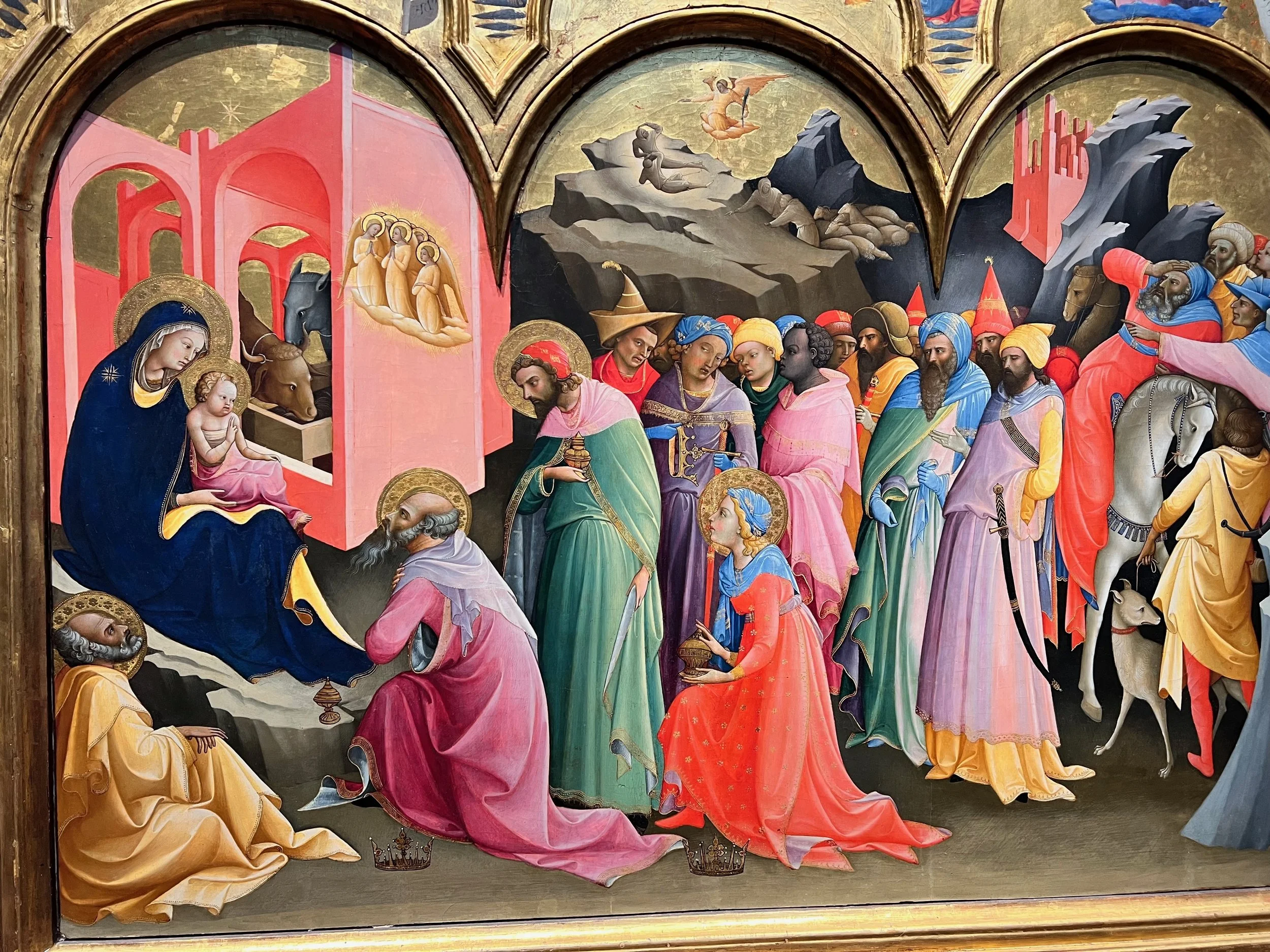
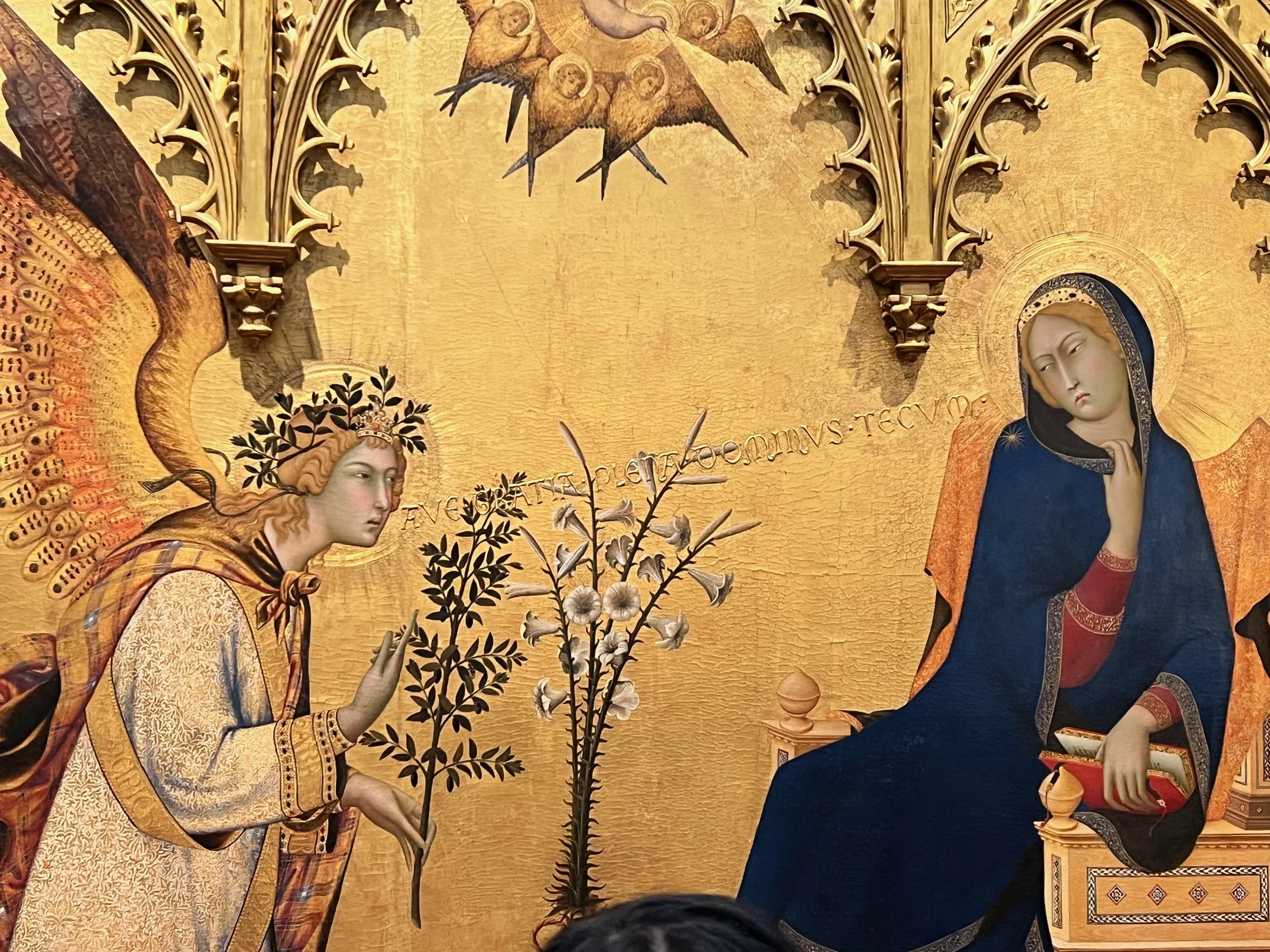
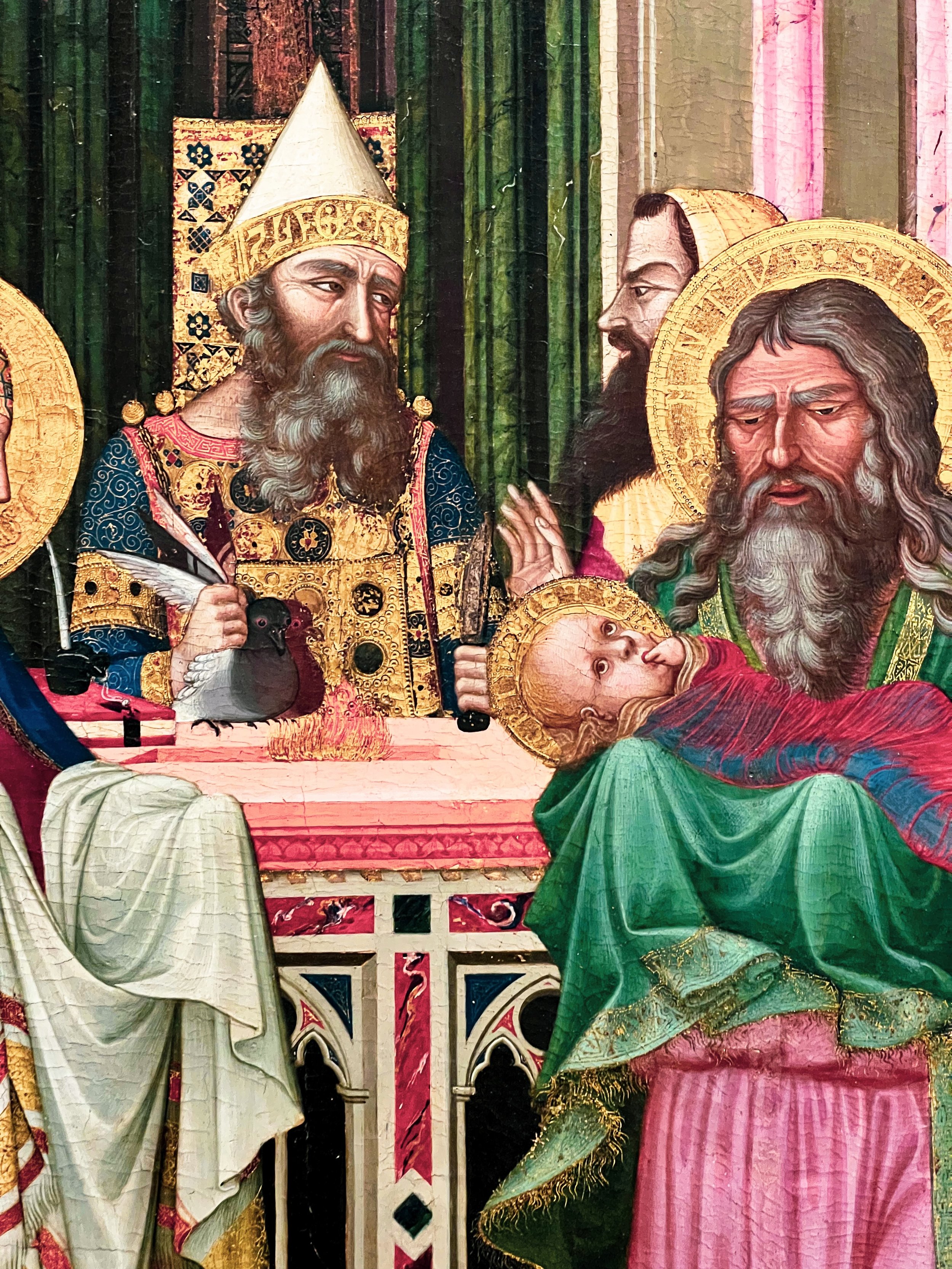
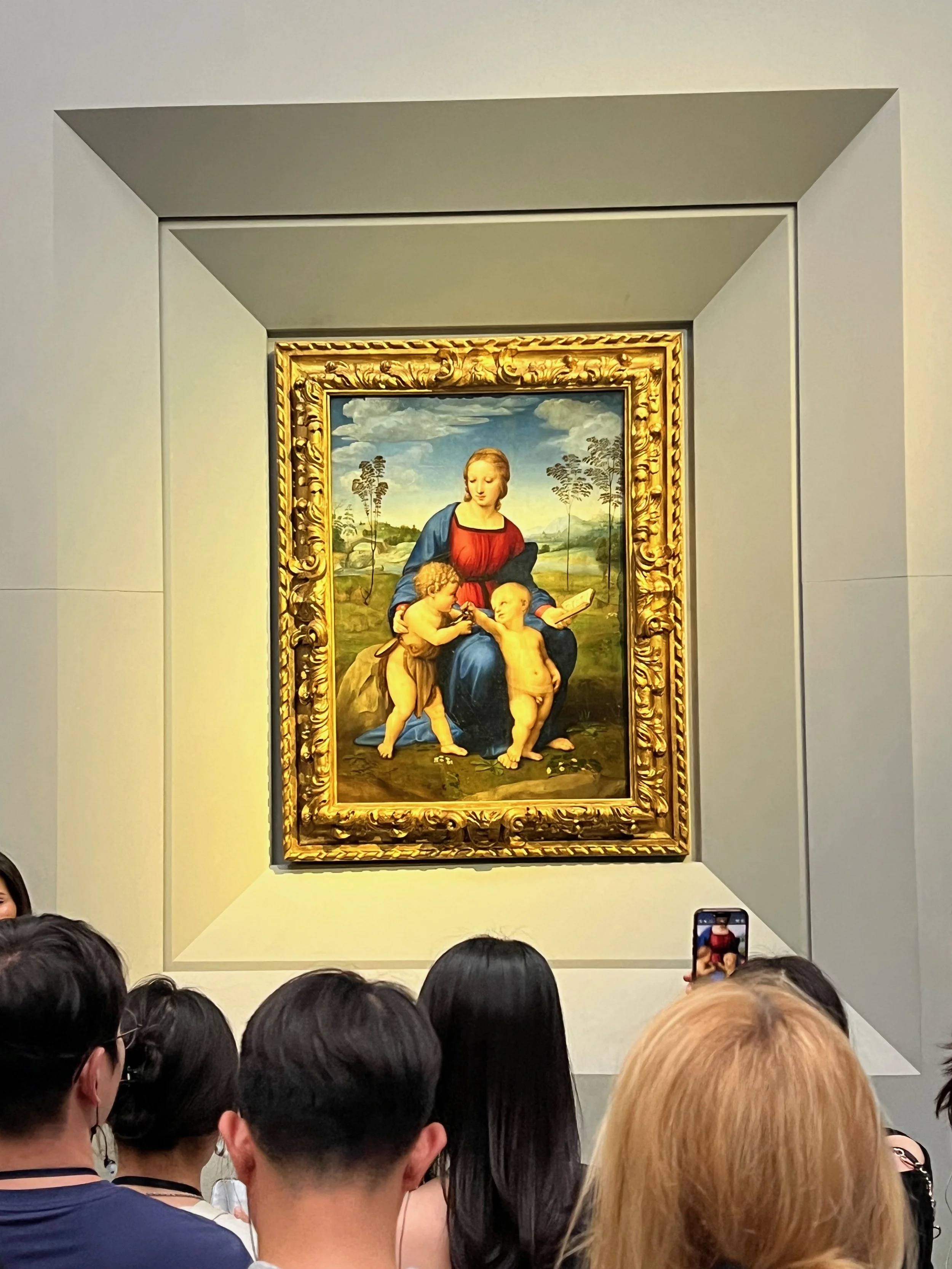
Okay, some of it was necessary.
I didn’t want to just borrow the look of Renaissance art. I wanted to understand what had changed culturally that made artists start painting differently in the first place. The very abbreviated version: after centuries of art largely centered on religion and the divine, Renaissance artists became increasingly interested in humanity itself. Bodies had dimension. Faces had emotion. Individuals mattered. Classical ideas resurfaced. Color, realism, perspective and symbolism exploded. People weren’t just tiny supporting characters in some enormous celestial story anymore. Humanity became the main character and they were worth looking at. That idea stuck with me.
(Also, there was considerably more nakedness. Think less “art movement” and more Age of Aquarius, but with frescoes.)
Once I understood some of the thinking behind the art, I could stop asking, How do I make something that looks Renaissance-y? and start asking a much more interesting question:
Who would I want to honor this way?
Enter Marsha P. Johnson
The answer came pretty quickly.
I kept thinking about the Stonewall uprising and the people who pushed back against a system that had spent years telling them their lives, bodies and communities were something to police.
In June 1969, police raided the Stonewall Inn in New York City, one of many raids queer people had endured in an era when discriminatory laws and policing made gathering openly dangerous. That night, people fought back. The uprising stretched across several days and became a major catalyst for a new era of LGBTQ+ activism.
Marsha P. Johnson became one of the movement’s most recognizable activists. She participated in the uprising, joined the Gay Liberation Front, protested with ACT UP and later co-founded STAR with Sylvia Rivera to support unhoused queer and gender-nonconforming young people.
And suddenly the connection I had been circling clicked into place. If Renaissance painters used scale, beauty, symbolism and religious imagery to tell viewers, this person matters, I wanted to borrow that visual language for Marsha.
I decided to paint her like a saint.
Building the painting
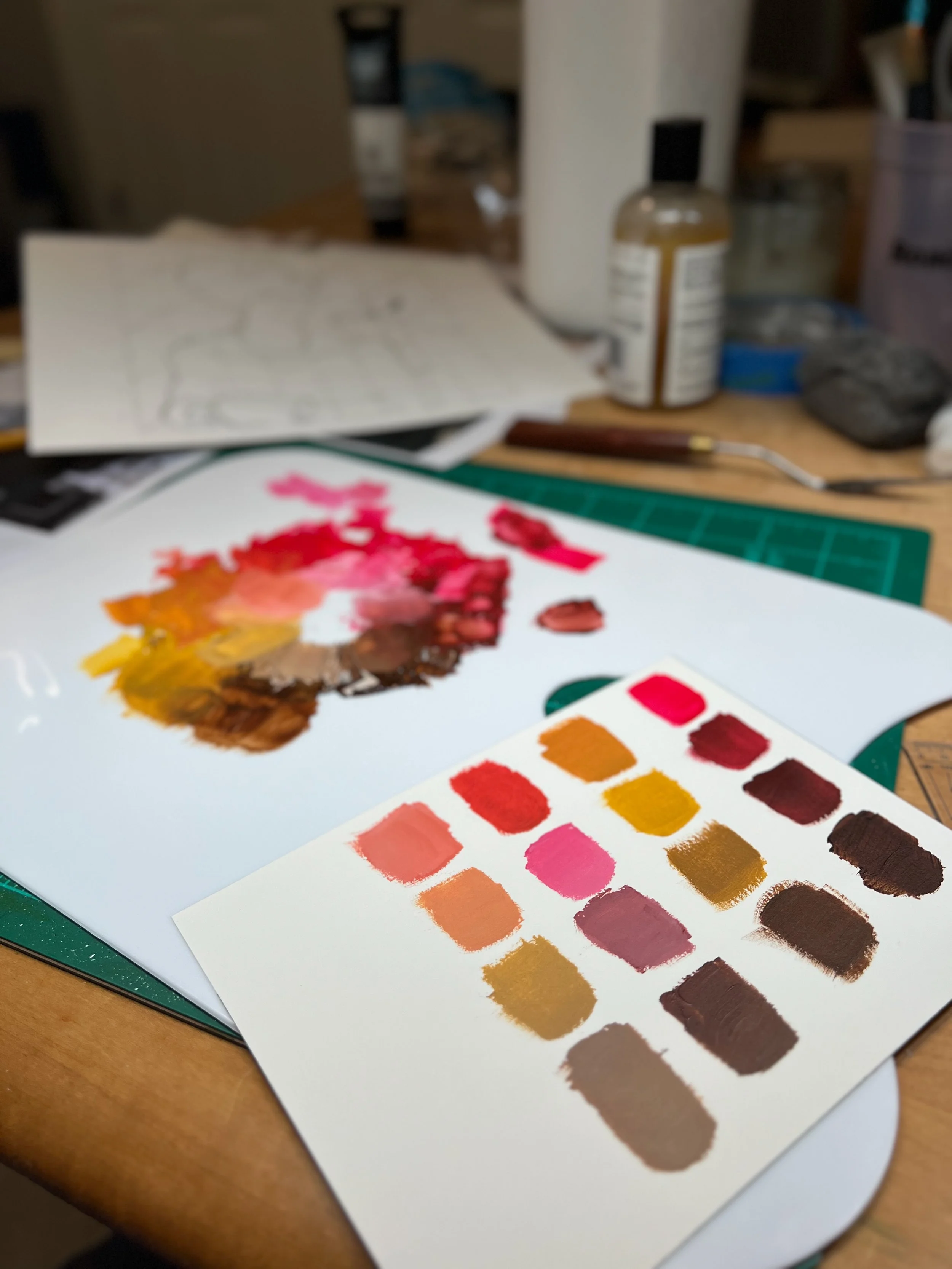
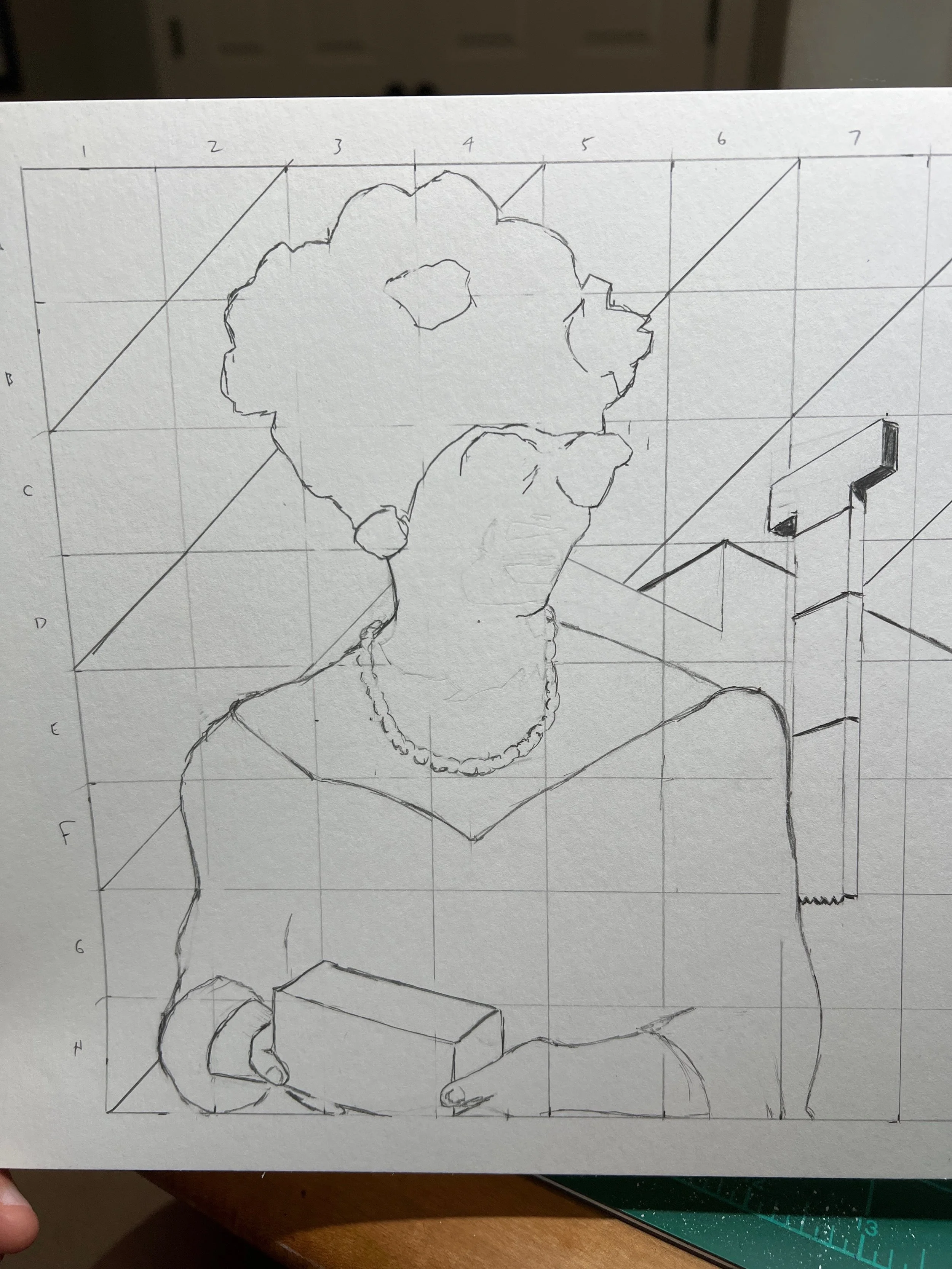
I wanted the materials themselves to nod toward the inspiration. A lot of Renaissance painting was done on wooden panels, so I chose wood instead of canvas. I knew I wanted gold leaf around the image, along with the ornate visual language you see in devotional artwork. The acrylic paint was decidedly less historically accurate.
I collected reference photos of Marsha and the Stonewall Inn, then used a one-inch grid to map the composition onto the wood. The grid helped me keep proportions relatively accurate without needing to freehand the entire portrait. I also created a limited color palette inspired by colors I kept seeing in Renaissance paintings. That ended up being one of the smartest decisions I made. It kept the piece visually cohesive and meant that when I came back to it after not touching it for three days, I didn't have to play the thrilling game of What on earth did I mix to make that red?
Then I painted.
And painted.
And painted.
The details that brought it together
The border was where I got to have a little more fun.
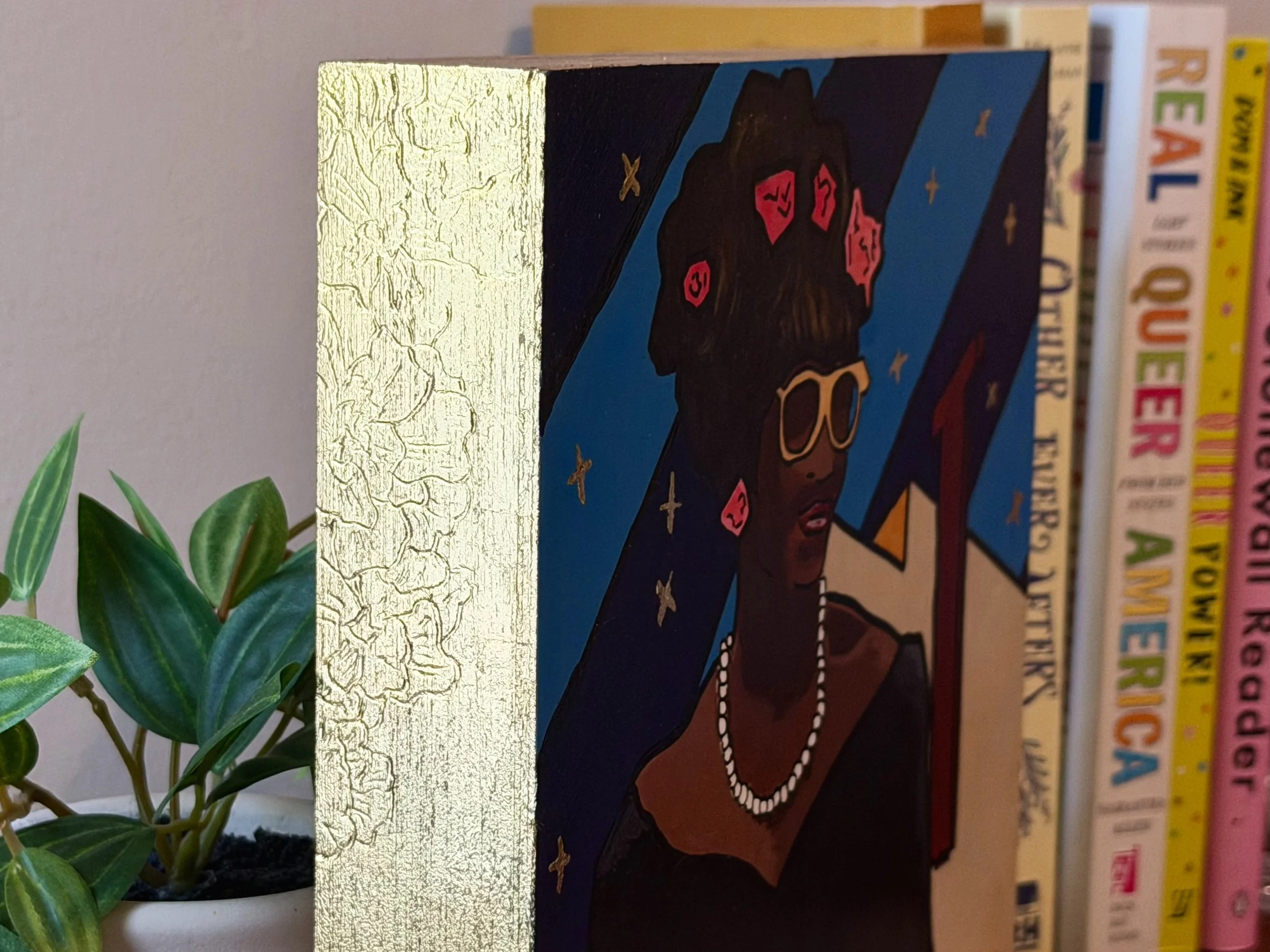
Symbolism is everywhere in Renaissance art, so I wanted the decorative elements to mean something too. Before applying the gold leaf, I used my woodburning tools to carve marigolds into the border. Marigolds felt right for Marsha: bright, unapologetic flowers associated with remembrance, grief and celebration. Once they were burned into the wood, I covered the border in gold leaf so the floral pattern remained underneath as a subtle etched texture.
And if you've never worked with gold leaf before, just know that approximately 40 percent of it ends up on the artwork and the remaining 60 percent joins the atmosphere of your home forever. I added gold stars, finished the details and eventually stepped back from the piece.
Somewhere between Florence, an art-history rabbit hole, queer history, woodburning, acrylic paint and tiny pieces of gold floating around my studio, I had made something I never would have thought to make if I'd simply asked myself, What should I paint next?
The rabbit hole was the point
This is probably my favorite part of making art. Inspiration rarely travels in a straight line. You can stand in front of a 500-year-old painting in Florence, wonder why somebody painted it that way, disappear into Renaissance history, start thinking about who our culture chooses to elevate, land at the Stonewall uprising, pull out a piece of wood and somehow end up painting Marsha P. Johnson as a saint.
None of those things seem connected until curiosity connects them. And maybe that's the point.
You don't always have to know where an idea is going before you follow it. Sometimes you just have to notice what makes you curious and be willing to go down the rabbit hole.
